Thibault Roumengous, PhD
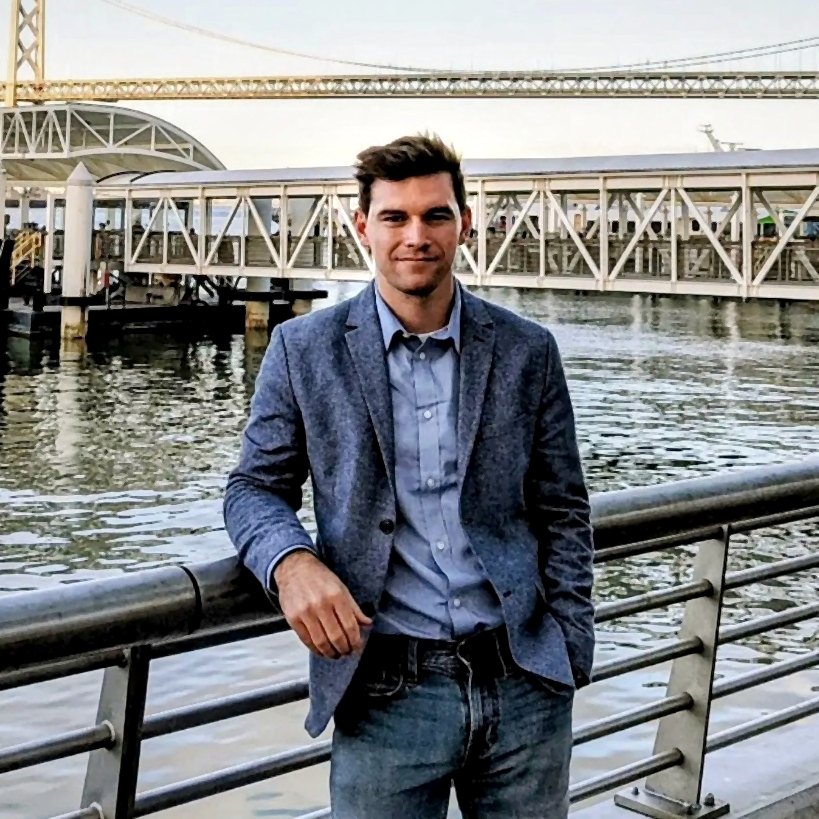
I develop wearable biosensors and the clinical evidence behind them, from prototype and algorithm through human studies and publication. My work brings engineering, applied physiology and clinical research together to move next-gen physiological sensing technology from military programs into neuro/cardiovascular and critical care.
About
Engineering, physiology, and the rest
I lead research and development at NIRSense Inc., a manufacturer of multimodal medical biosensors in Raleigh, North Carolina. My team covers algorithm development, clinical/preclinical research, data science and prototyping of new sensing methods. I also serve as Principal Investigator on research programs funded by US government agencies (DARPA, DHA, AFRL).
My training started in human physiology and rehabilitation in France, before moving to biomechanics and bioengineering, with research at Université de Nice and the University of Texas at Austin. My PhD in Biomedical Engineering at Virginia Commonwealth University (2021) developed transcranial magnetic stimulation methods to assess neuromuscular function after cervical spinal cord injury.
Outside the lab I compose and produce music, write in French (a book of poetry was published in 2013), and have trained for years in judo, kendo, freerunning and climbing. These days I play competitive tennis in USTA leagues. I have never treated intellectual and physical abilities as separate; learning a new skill is worth doing for its own sake. Those projects have lived on this site since before my PhD, and they still do.
Current work
What I work on
Medical device development
Wearable multimodal biosensors taken from prototype toward regulatory clearance: sensor design, clinical validation, verification and validation, and 510(k) submissions.
Multimodal algorithms
Advanced methods for real-time embedded algorithms that translate optical and electrical signals into a broad set of vital signs and derived physiological metrics, for patients, aircrew and divers.
Clinical and translational research
Studies from early feasibility to validation with academic medical centers and military sites, in cardiogenic shock, heart failure, hemorrhage, hypoxia and aviation physiology.
Defense research programs
Principal Investigator on programs for multimodal brain sensing and stimulation, and for helmet-compatible cerebral monitoring of military aircrew.
Career history, education and service are in the CV.
Research output
Selected publications
- Wearable Tissue Oximetry during Standardized Physiological Stressors in Chronic Heart Failure Outpatients
- Novel Wearable NIRS Device for Detecting Hypovolemia during Simulated Hemorrhage in Humans
- Cerebral Oxygenation and Perfusion Kinetics Monitoring of Military Aircrew at High G using Novel fNIRS Wearable System
- Motor Evoked Potential Input-Output Curves Indicate Neuroplasticity After Cervical Spinal Cord Injury
- Paired Pulse Transcranial Magnetic Stimulation in the Assessment of Biceps Voluntary Activation in Individuals with Tetraplegia
- Effects of Stimulus Waveform on Transcranial Magnetic Stimulation Metrics in Proximal and Distal Arm Muscles
- The Assessment of Biceps Voluntary Activation with Transcranial Magnetic Stimulation in Individuals with Tetraplegia
- Effect of Low-Cost Transcranial Magnetic Stimulation Navigation on Hotspot Targeting and Motor Evoked Potential Variability in the Biceps Brachii
Several manuscripts are under review. The full list is on Google Scholar and in the CV.
Speaking
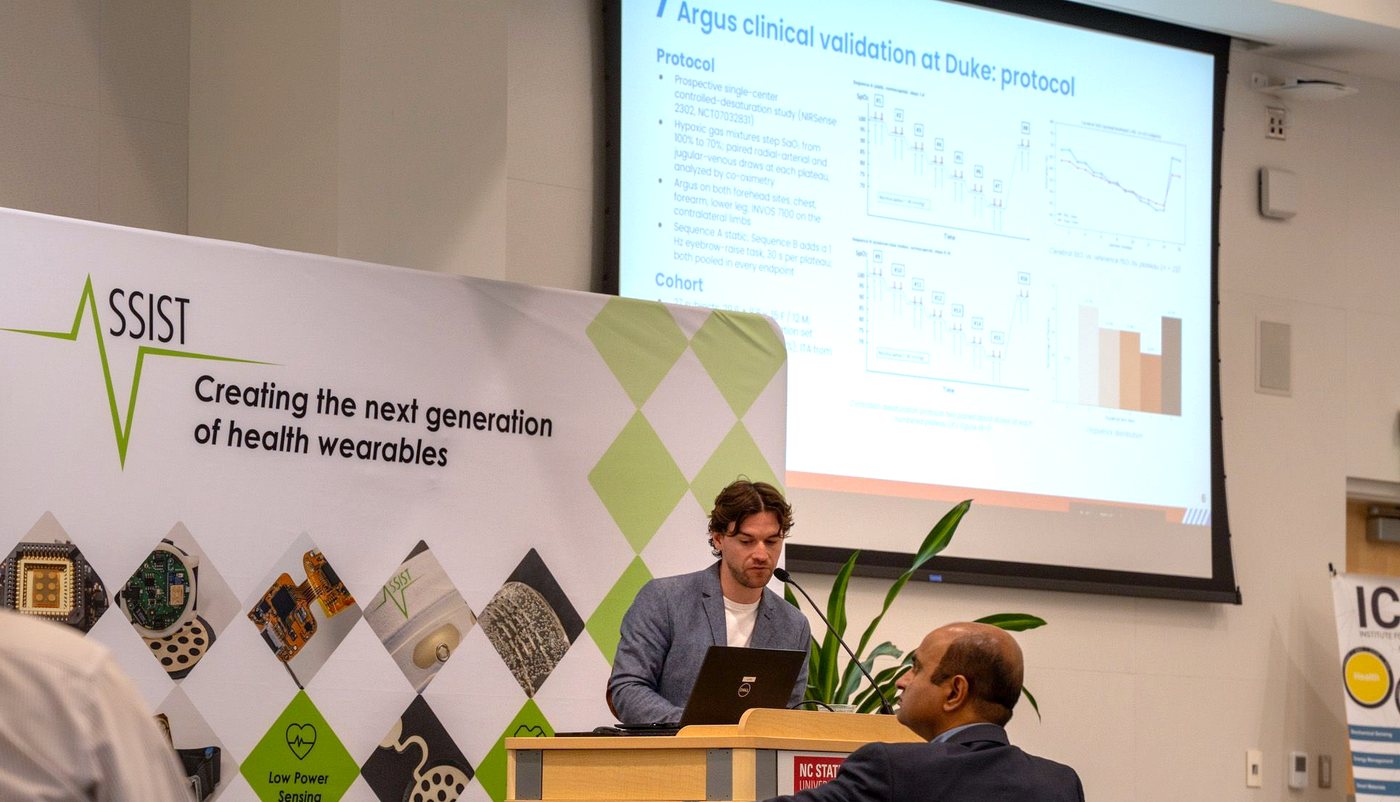
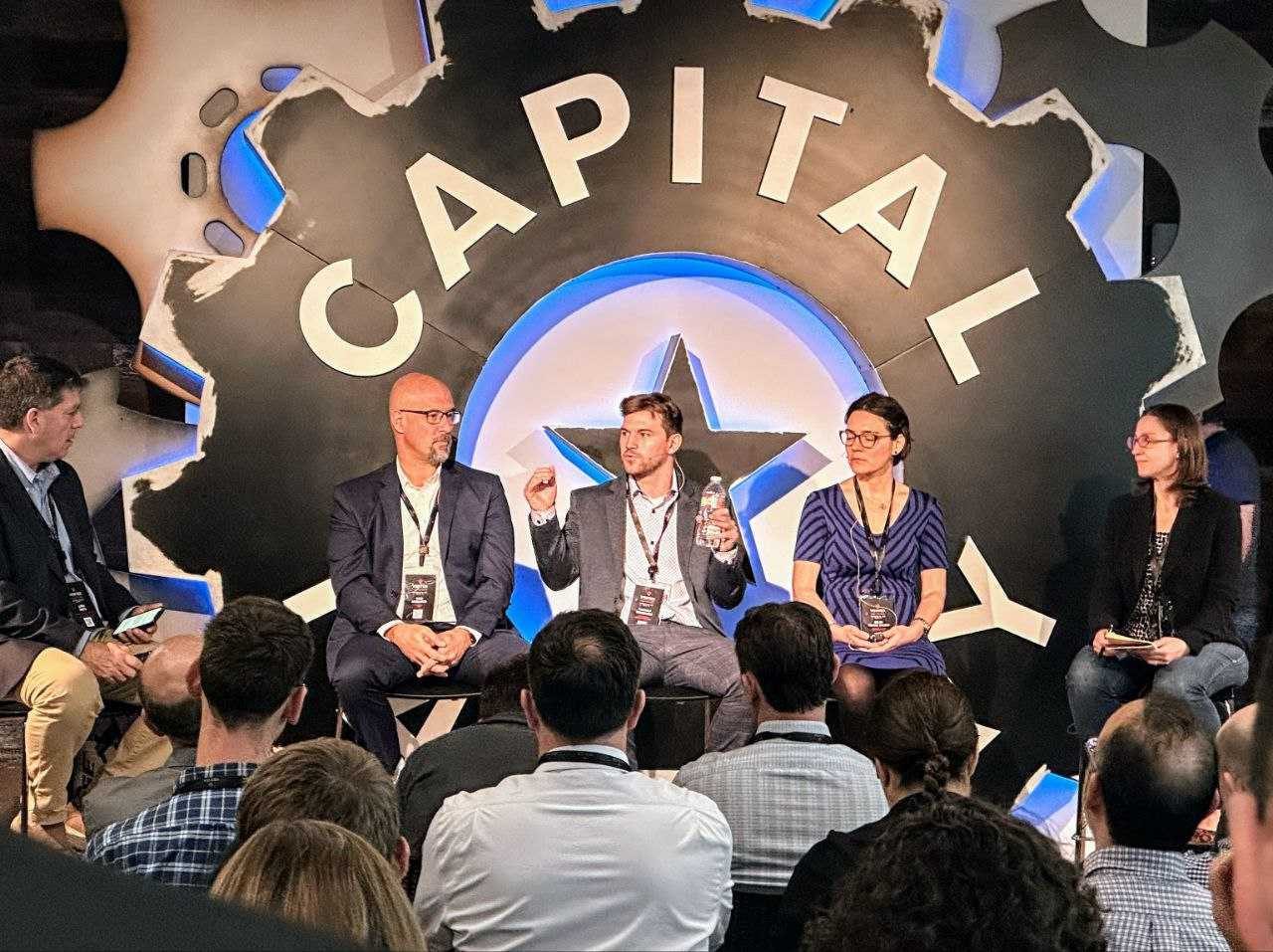
Selected talks and presentations
- Next-Generation Multimodal Wearable Biosensors: Translating Early Technology to Clinical & Operational Systems
- NIRSense Aurelian: A Novel Multimodal Wearable Sensor for Tracking Cerebral Perfusion
- Ultra-Thin, Helmet-Compatible Cerebrovascular Sensing: Advancing Operator State Monitoring for Army Future Vertical Lift
- Ultra-thin Helmet-Compatible NIRS/EEG-Based Cerebrovascular Monitoring Sensor System for Future Vertical Lift Operator State Monitoring Integration
- Small Wearable Tissue Oximeter to Evaluate Microvascular Function in Chronic Heart Failure Patients
- Patient Monitoring with Ruggedized Wearable Sensor Patch during Large-Scale Casualty Evacuation Exercise
- The Aurelian System: Continuous, Wearable, Multimodal Cerebro-Physiological Monitoring with Electrical and Optical Sensors
- Cerebral Hemodynamics Monitoring of Military Aircrew at High G: Towards In-Flight Event Detection
- Maximizing Cognitive Performance
- Flight Environment Compatible Wearable fNIRS for Real-Time Monitoring of Aircrew Cognitive Workload

In the lab
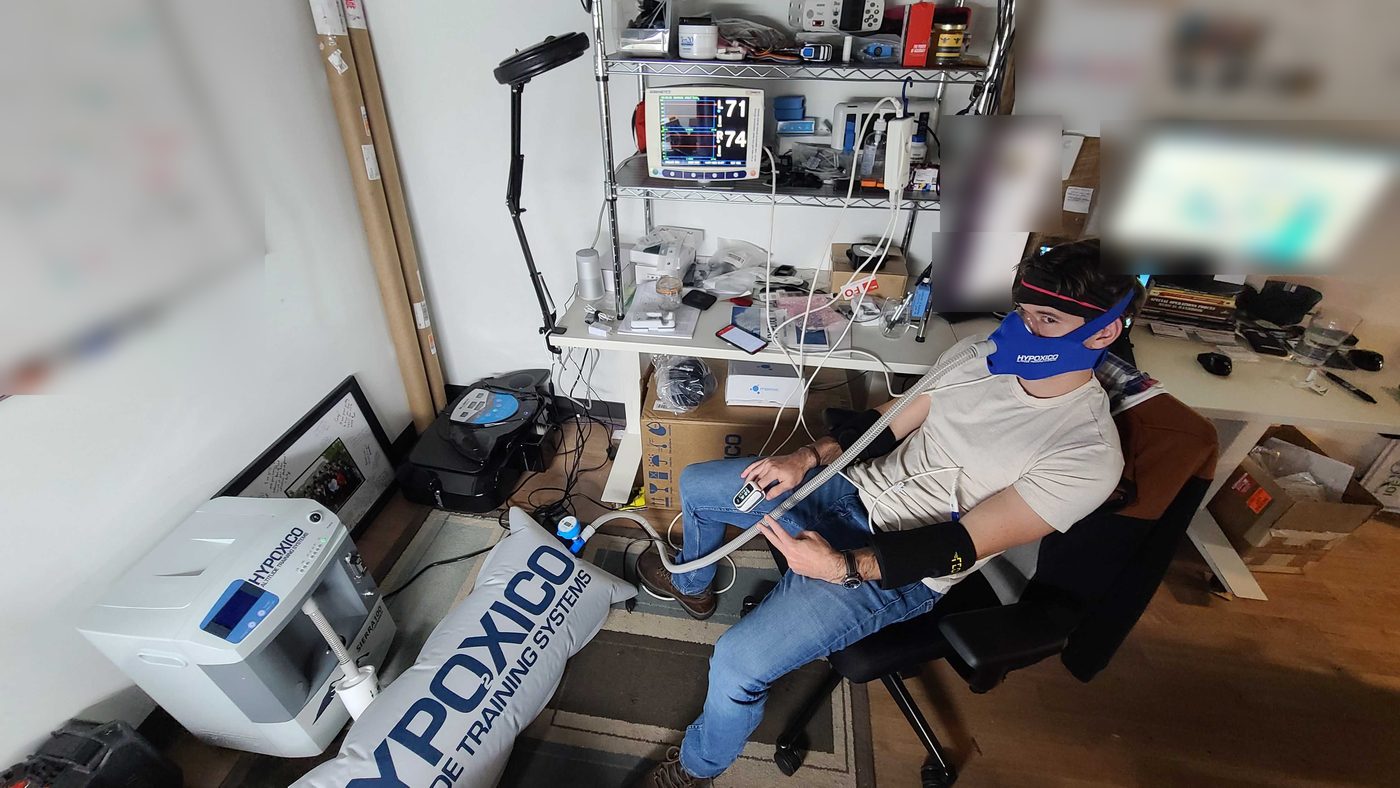
Hands-on testing
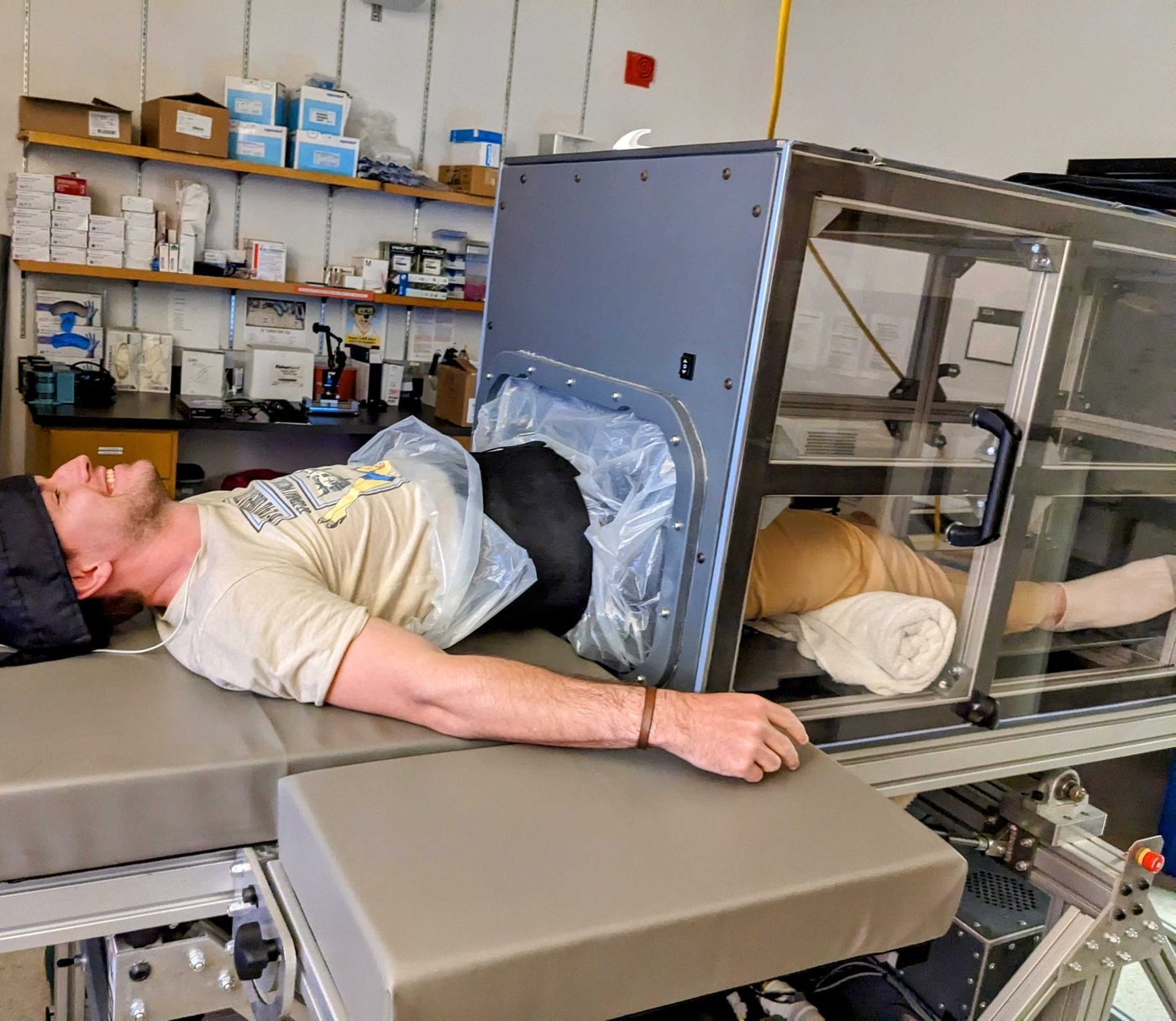
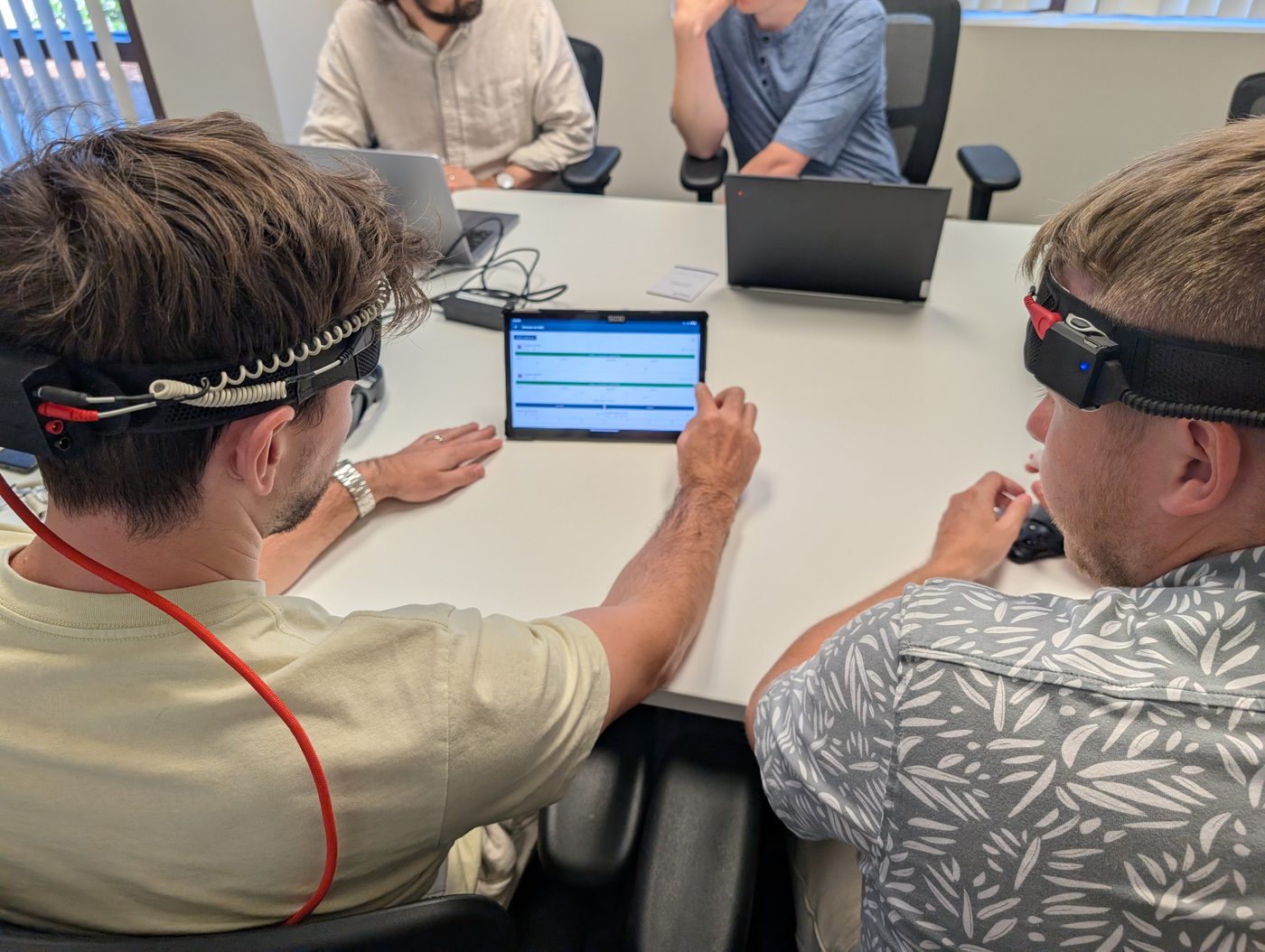
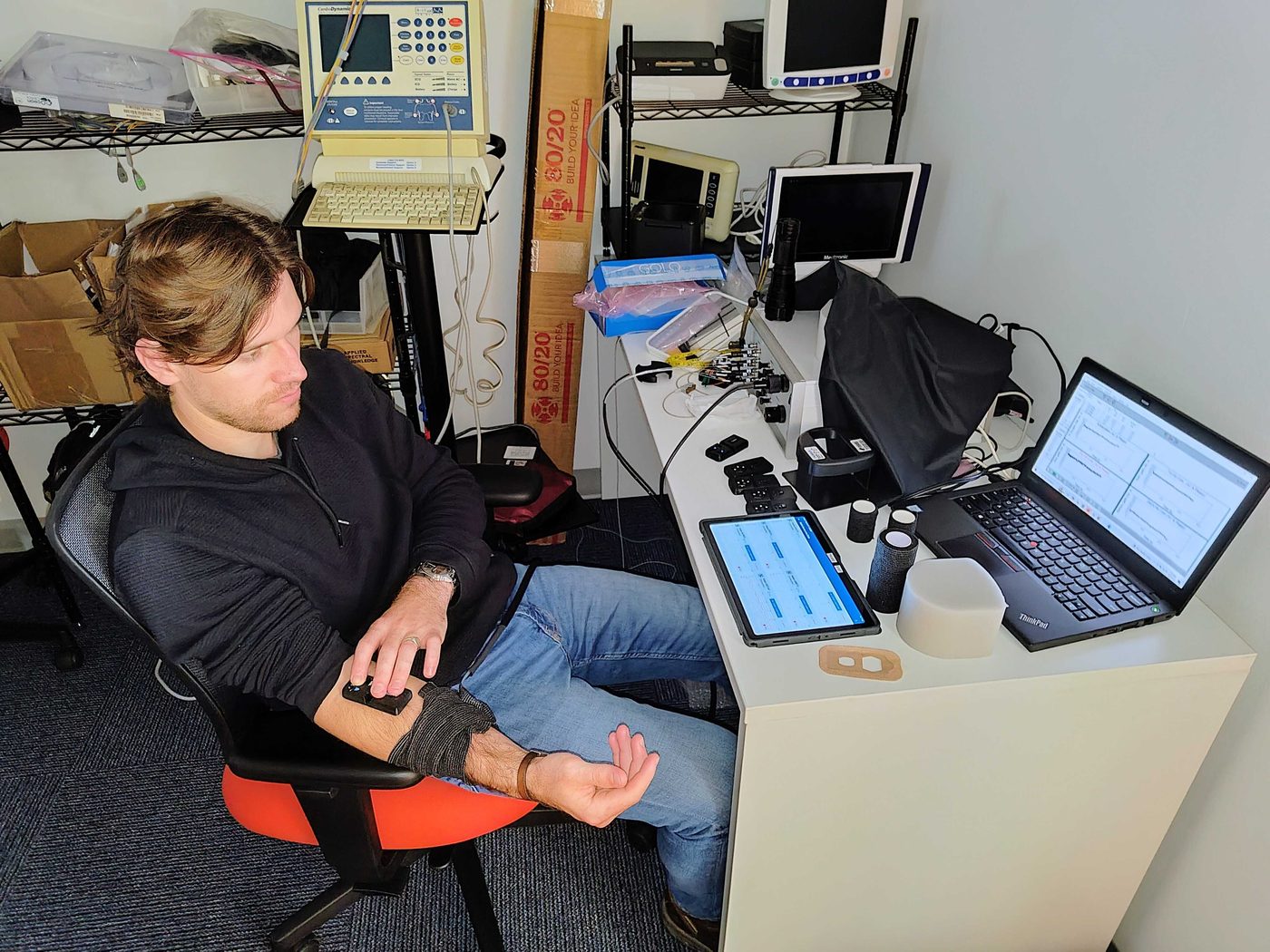
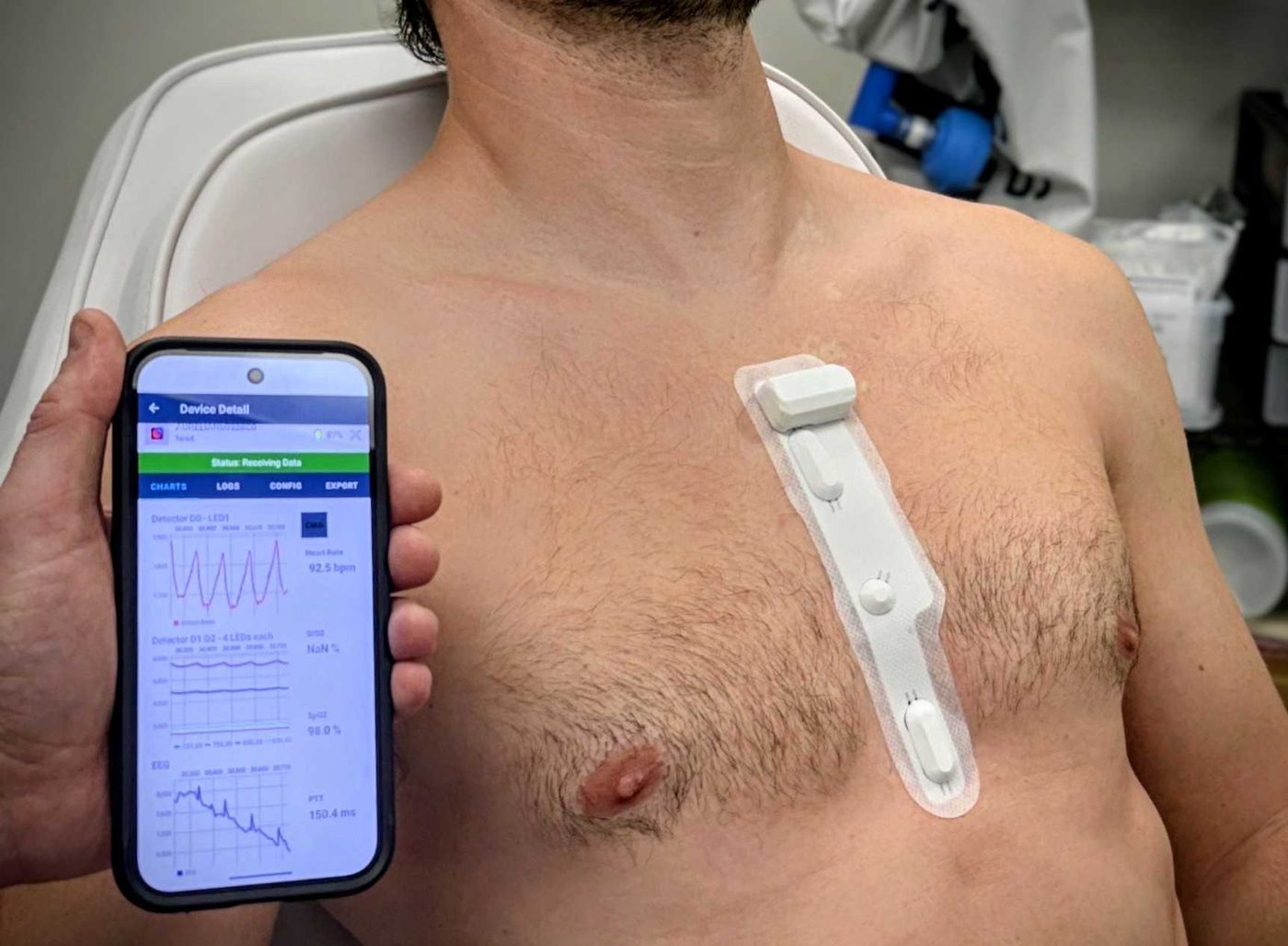
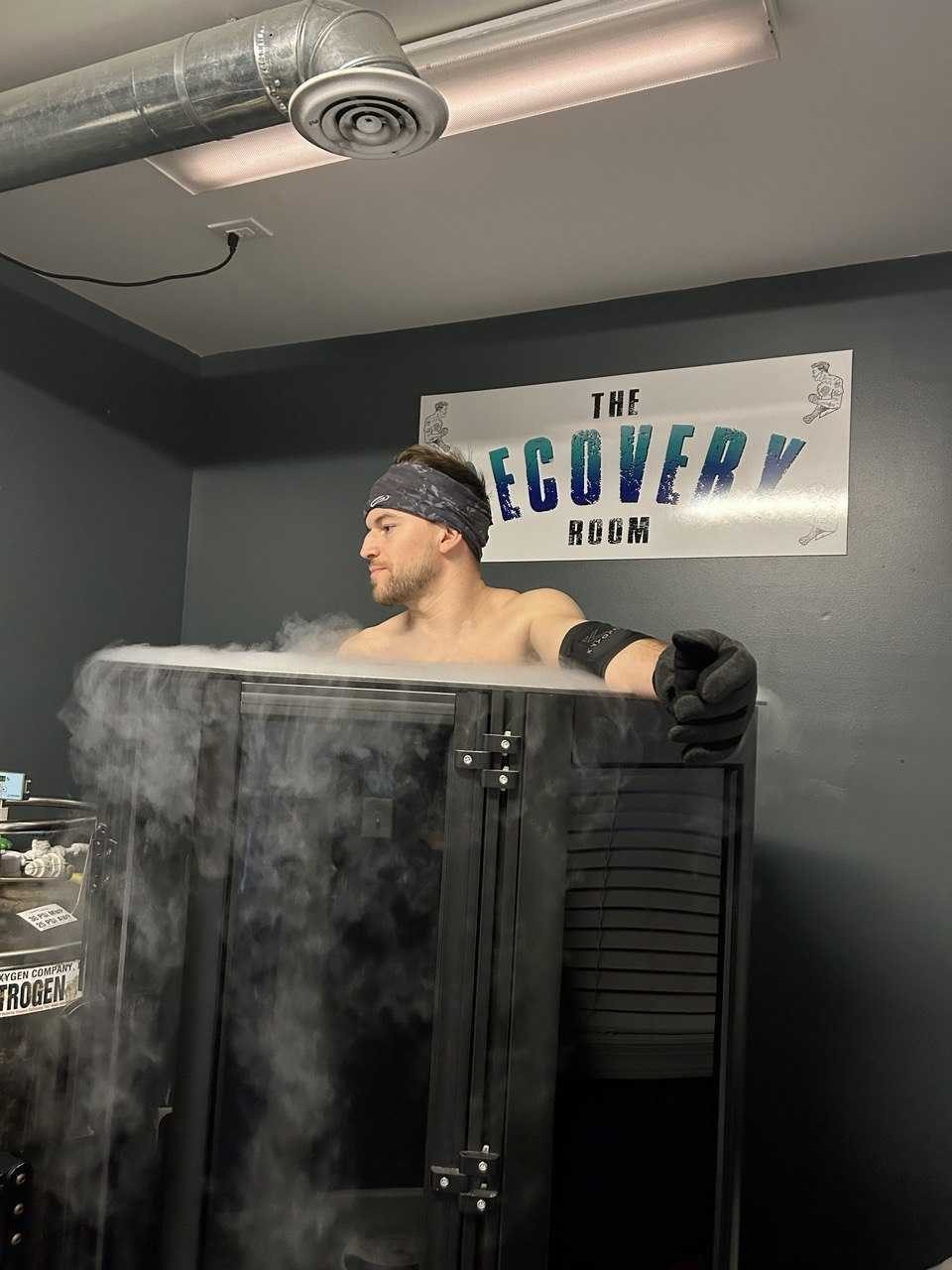
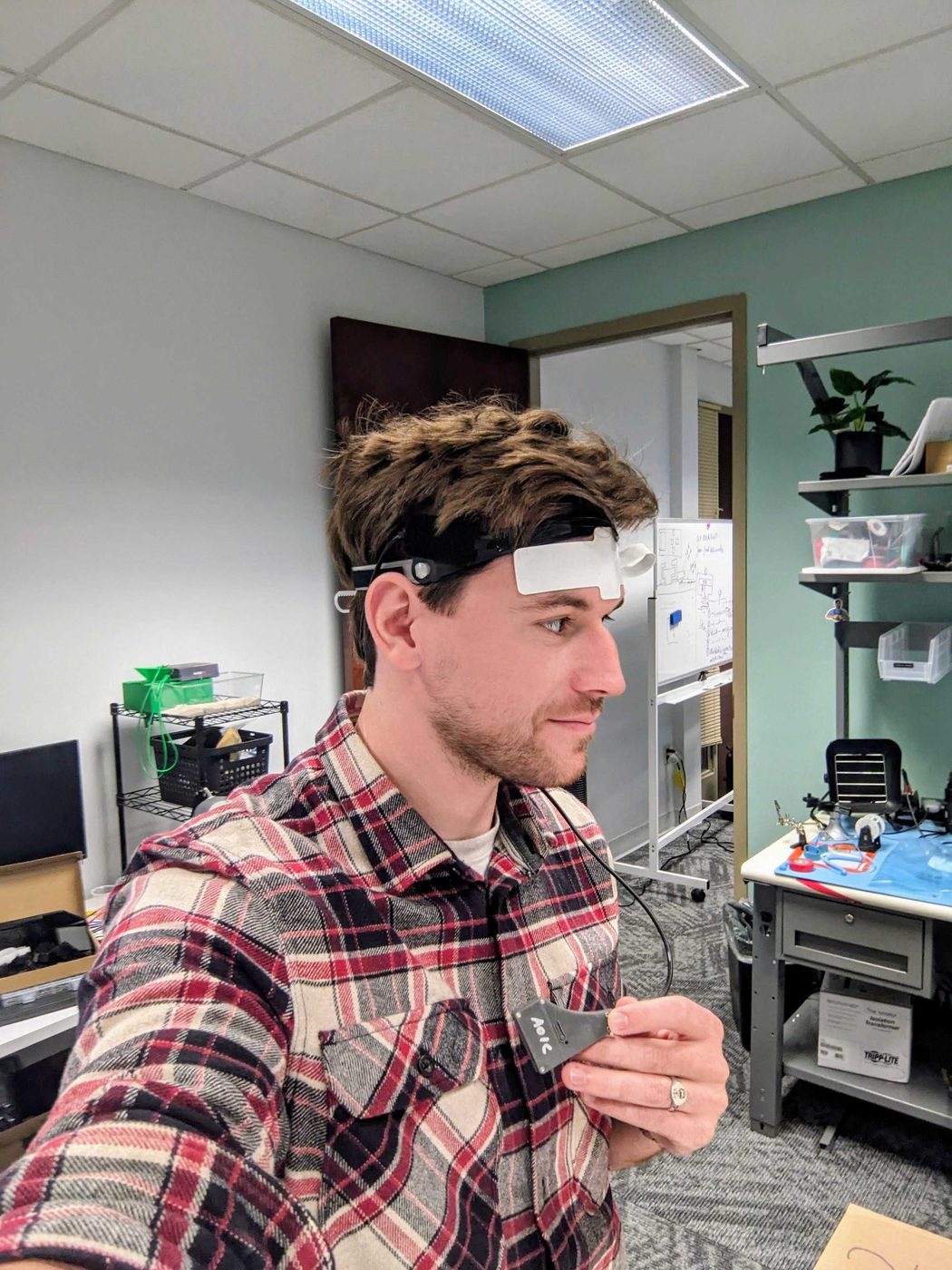
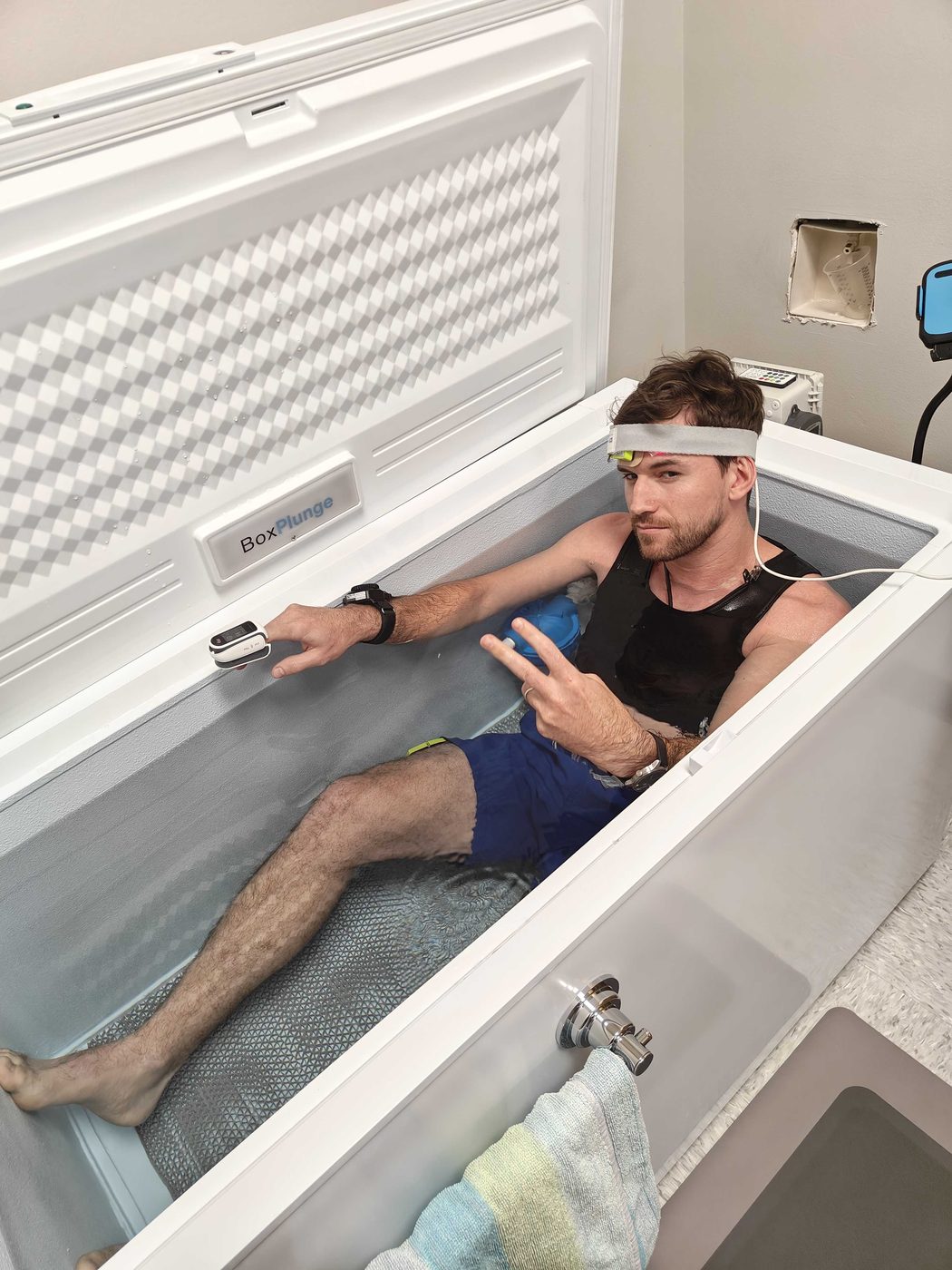
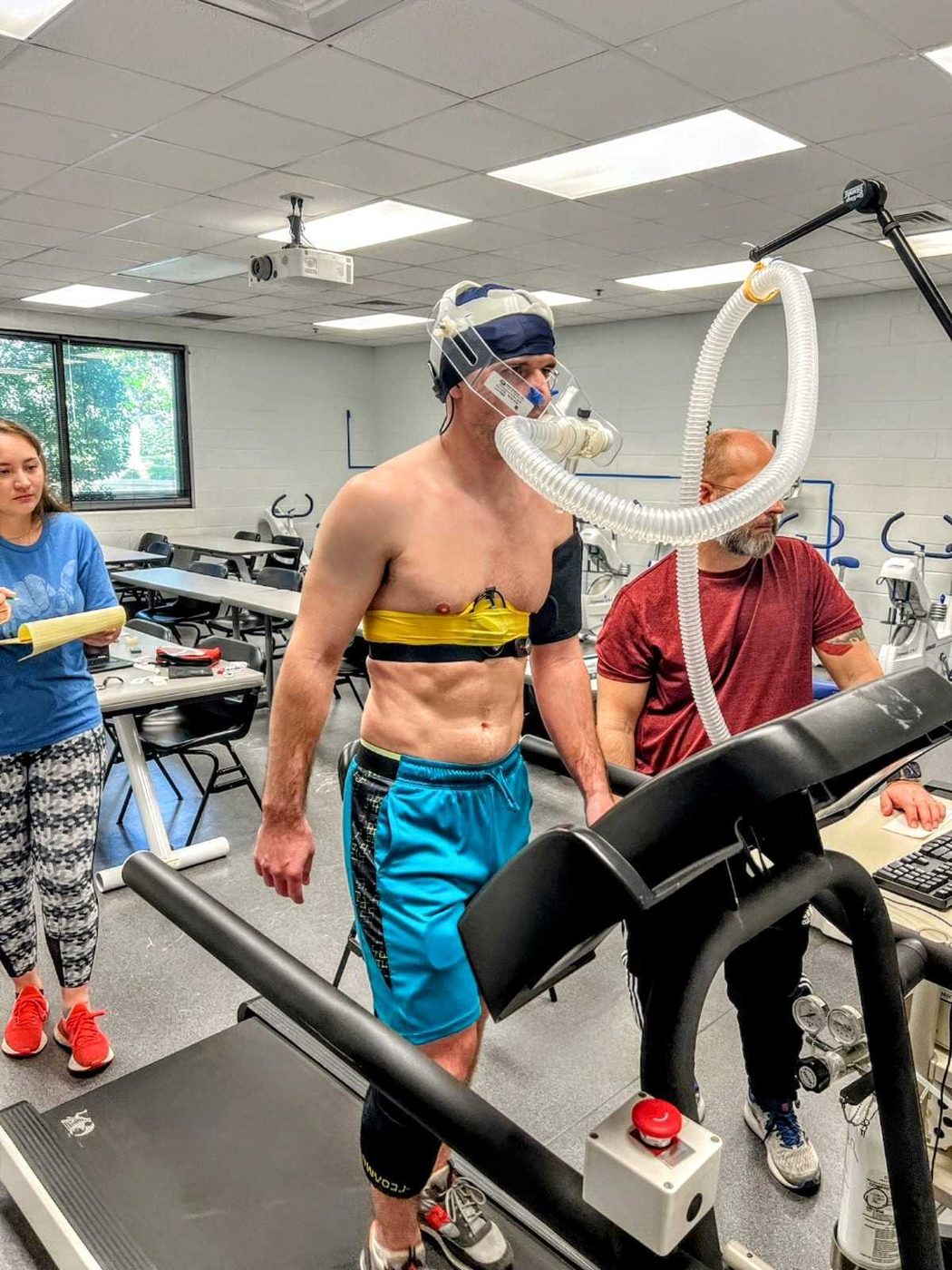
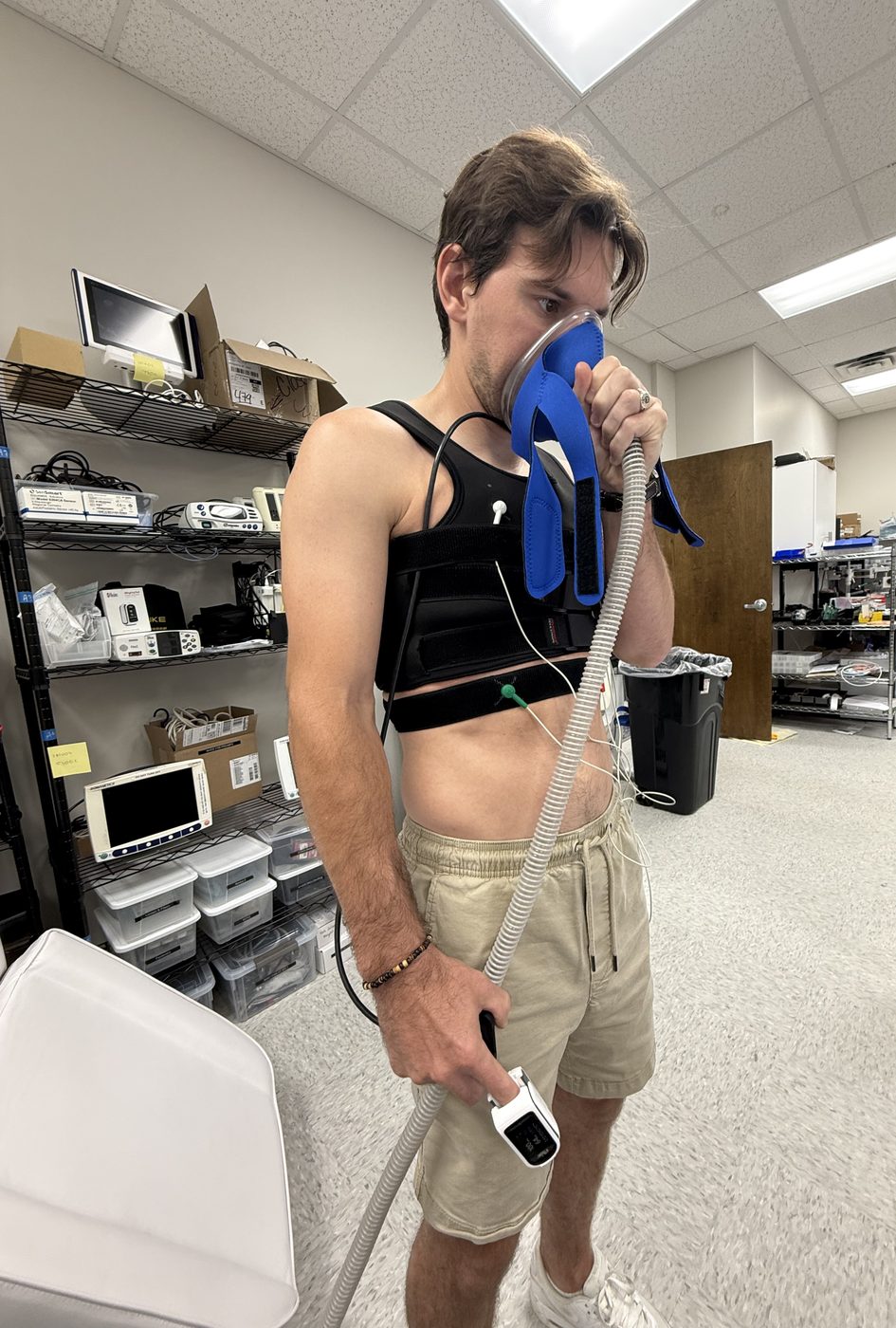
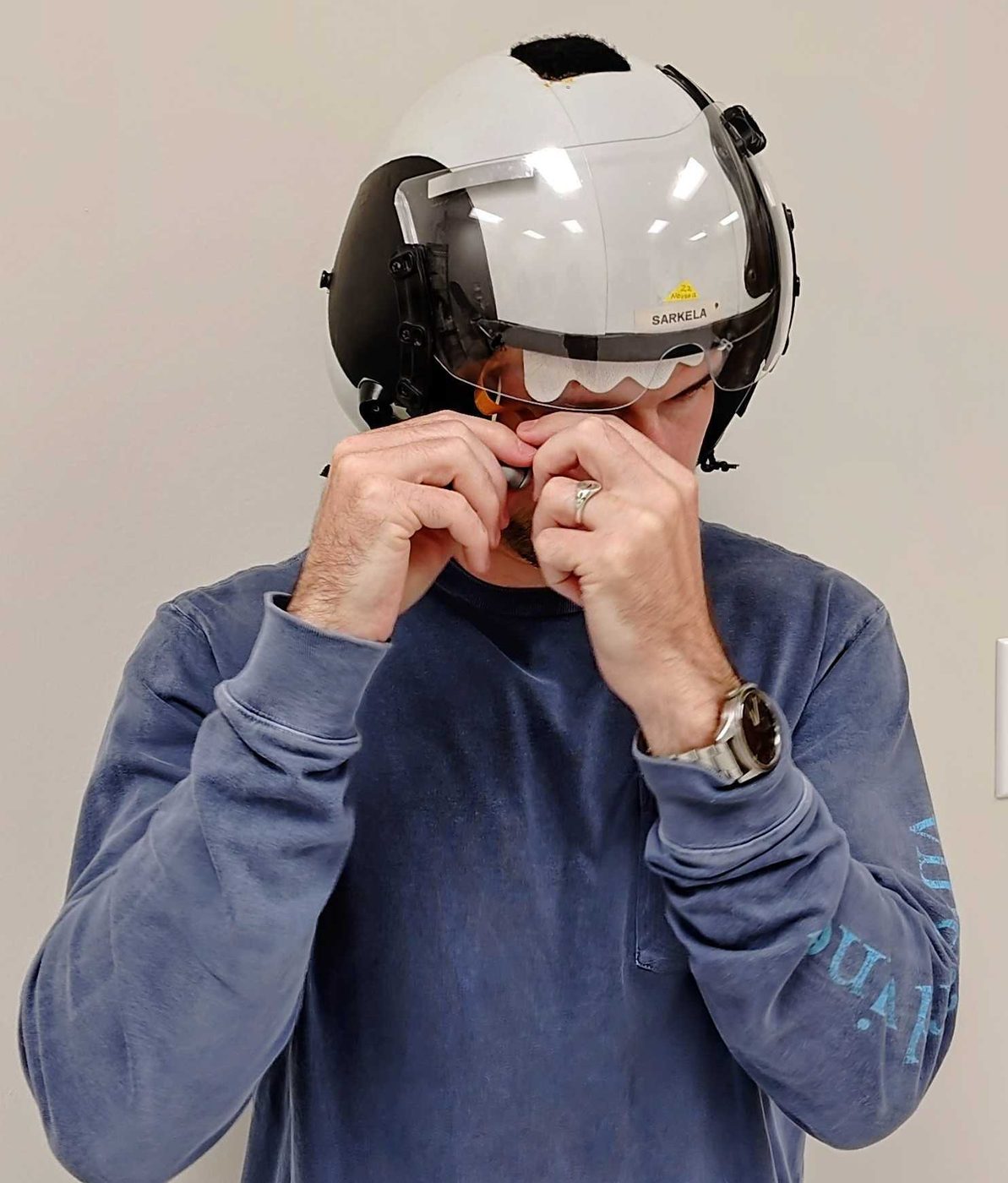
I regularly test our sensors and protocols on myself, from hypoxia and simulated blood loss to extreme cold and maximal exercise.
Beyond the lab
Music, writing, sport and code
Work I have made outside my day job over the years, kept here with the original recordings, books and videos.
Music
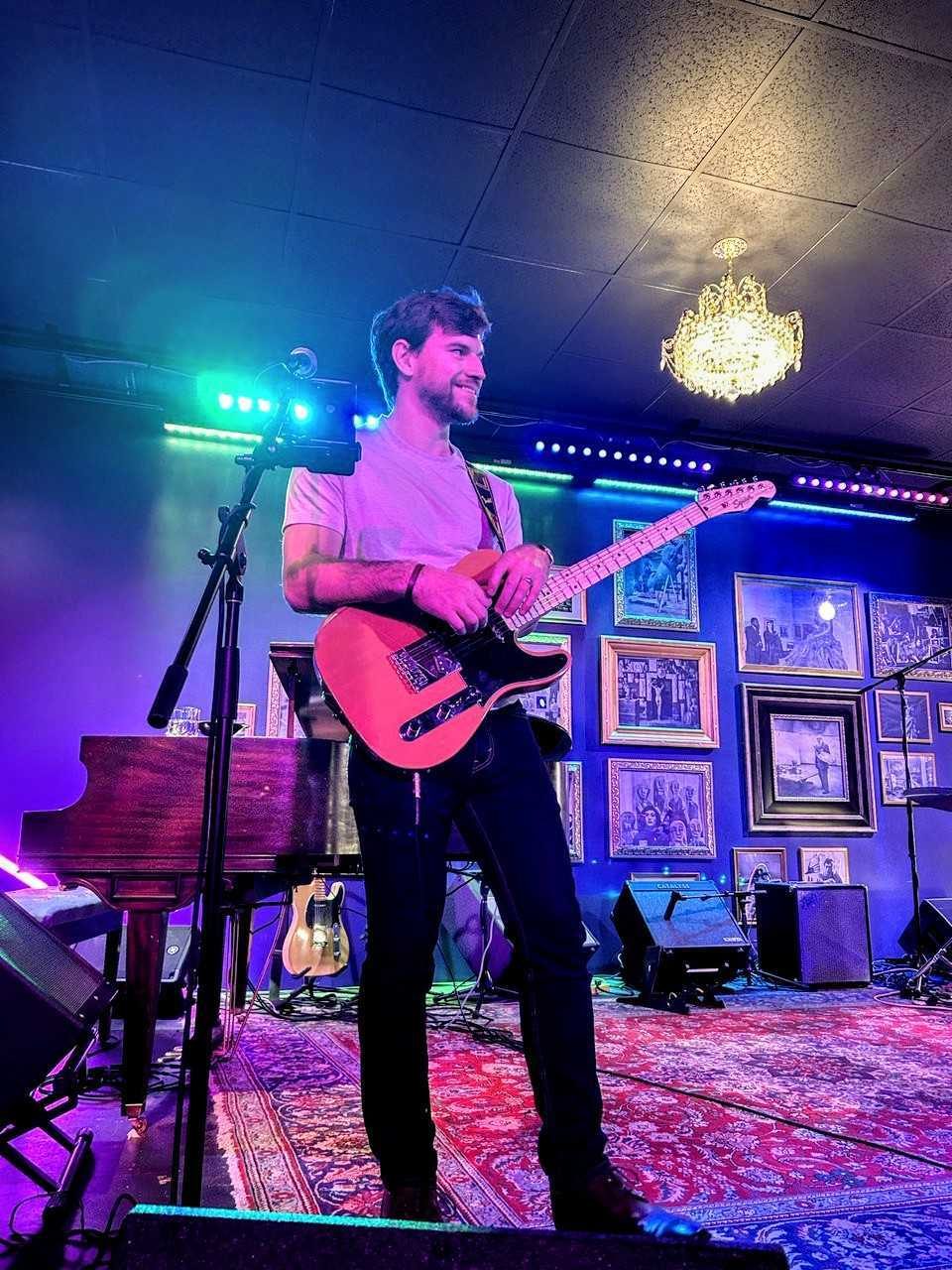
Animi, a progressive metal concept album built on Jack Vance's novels, plus video game covers and other recordings.
Listen →
Writing
French poetry published by Éditions Stellamaris in 2013, and short fiction ranging from science fiction to philosophy.
Read →
Sport
USTA league tennis (2026 North Carolina state champions), freerunning films, competitive judo, nearly seven years of kendo, and rock climbing.
Watch →
Code
Side projects from 2D games written in Ruby to Python tools for motor-learning experiments and MRI processing.
Explore →Contact
Get in touch
Email is the best way to reach me. For professional inquiries, LinkedIn works too.
Elsewhere: SoundCloud · Spotify · YouTube (music) · YouTube (sport)